Test Jigs
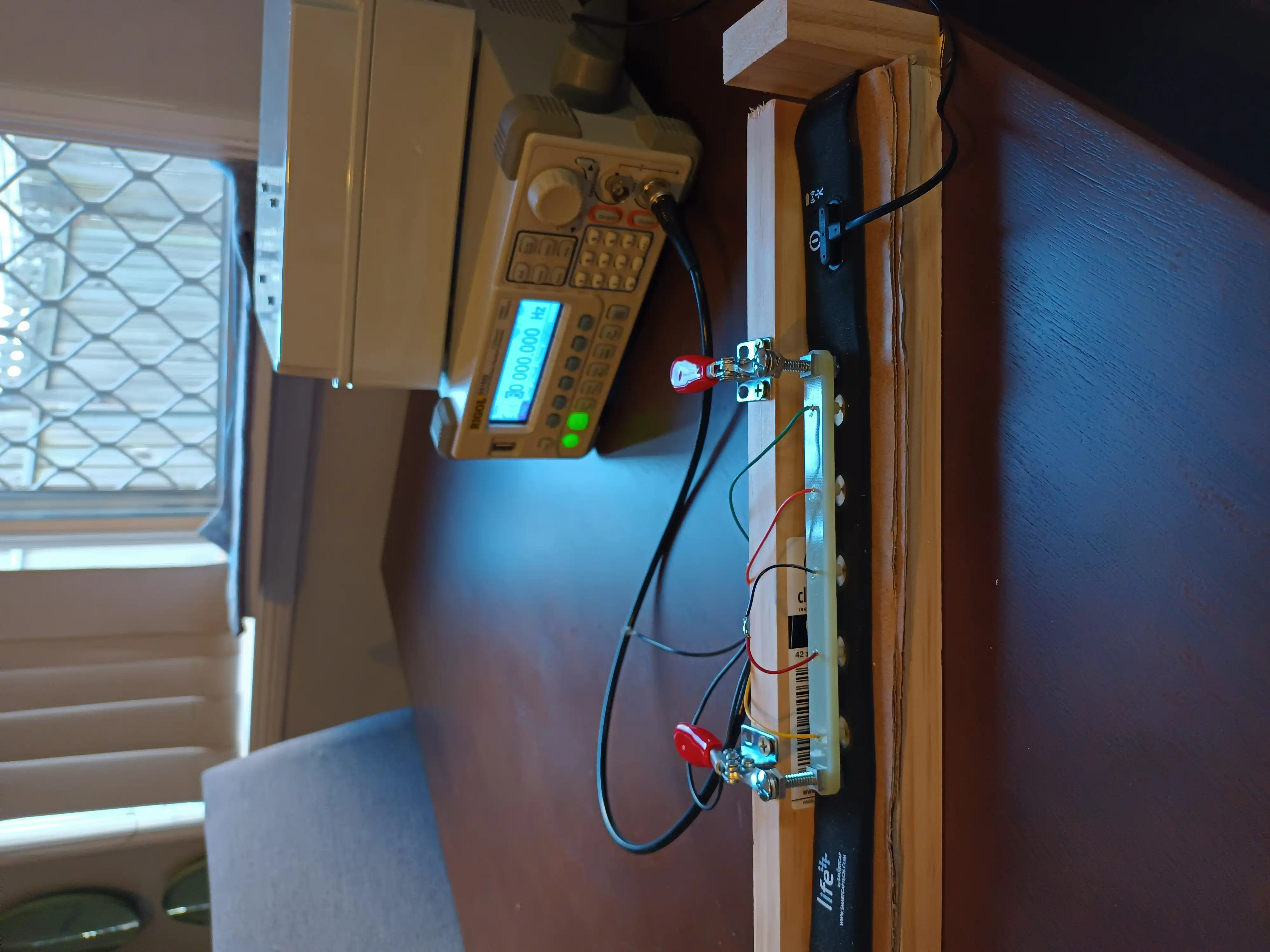
Debugging A Testing Jig
During my work on the a microsleep headband, I was tasked with debugging the testing jig used to evaluate its performance. The jig was crucial for validating the functionality of the headband’s sensors, communication systems, and power supply. However, the system was plagued by noise and unreliable readings, which made it difficult to perform accurate testing. I approached the problem methodically, focusing on three key areas to improve performance: reducing noise, optimizing the physical setup, and overhauling the software.
Removing Noise from the Circuit
One of the primary issues with the testing jig was the interference caused by electrical noise. This noise was affecting the accuracy of the signal readings, especially when testing the sensor’s response under different conditions. To address this, I implemented a combination of techniques to minimize the noise and improve the integrity of the data.
Shortening Wire Runs
The wiring layout in the testing setup was far from ideal. Long wire runs were introducing resistance and inductance, which contributed to unwanted noise in the system. By shortening the wire lengths and ensuring that the wires were as direct as possible, I was able to significantly reduce the noise levels and improve the signal quality. This simple adjustment had a huge impact on the accuracy of the system and helped make the testing process much more reliable.
Improving Shielding
Another major contributor to the noise was the lack of proper shielding in the circuit. I added shielding around sensitive components and used shielded cables for the signal lines. As a result, the system became more robust and reliable, with fewer instances of noise affecting the tests.
Rewriting the System in Python
The next step was to overhaul the testing system’s software. Initially, the jig was controlled using LabVIEW, but I found it to be inflexible and difficult to debug. The system needed to be able to throw helpful errors and failures able to be debugged. which led me to rewrite the entire system in Python.
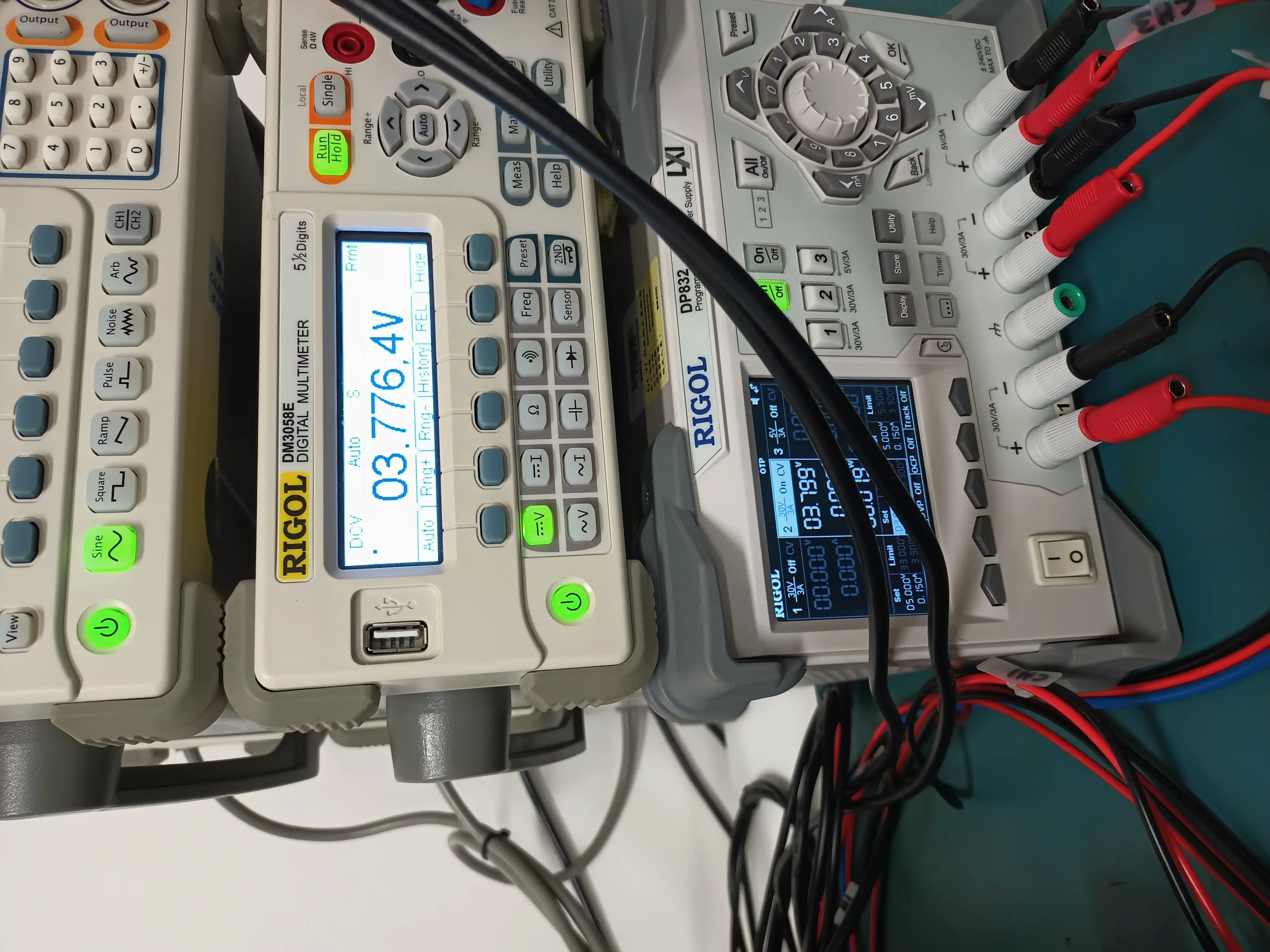
Python is a more versatile and open solution, allowing me to take advantage of powerful libraries and tools to interface with the testing equipment. I used SCPI (Standard Commands for Programmable Instruments) to communicate with the equipment, allowing me to run tests at various voltages and frequencies.
Benefits of Using Python
- Flexibility: Python provided much more flexibility in automating and customizing test procedures compared to LabVIEW.
- Code Maintainability: The code was easier to understand, maintain, and extend, as Python’s syntax is much more straightforward and readable than LabVIEW’s graphical interface.
- Integration with SCPI: The SCPI-to-Python bindings made it possible to programmatically control test equipment, saving time and improving the repeatability of tests.
Upgrading Systems Remotely During COVID-19
During the COVID-19 pandemic, I faced the challenge of upgrading testing systems at two Chinese manufacturing facilities—remotely. Due to travel restrictions and the inability to be physically present, I had to coordinate the upgrades through online meetings and remotely access the systems to ensure everything was running smoothly.
I worked closely with the local technicians via Zoom sessions, guiding them step-by-step through the process of implementing the upgrades. I was able to demonstrate the system updates, troubleshoot issues, and answer their questions in real-time. The virtual collaboration ensured that the upgrades were completed on schedule, and the technicians were trained in the process to handle future maintenance and troubleshooting.
Photos